
Kumar Deepraj
The Bharatiya Nyaya Sanhita, 2023 has introduced several important changes in India’s criminal law framework. One provision that has received significant public attention is related to road accident cases, particularly where a person causes death by rash or negligent driving and leaves the spot without reporting the incident.
This article explains the provision in a simple legal manner and compares it with the earlier position under the Indian Penal Code, 1860.
What is the Bharatiya Nyaya Sanhita?
The Indian Penal Code, 1860 was the principal criminal law statute in India for more than a century. The Bharatiya Nyaya Sanhita, 2023 has been enacted to replace the IPC and update criminal law provisions according to contemporary requirements.
The objective of the new law is to streamline offences and penalties, simplify legal procedures, and make the criminal justice framework more relevant to present-day situations.
Section 106 of the Bharatiya Nyaya Sanhita
Section 106 of the Bharatiya Nyaya Sanhita deals with causing death by negligence.
In simple terms, it covers cases where a person causes the death of another person by a rash or negligent act that does not amount to culpable homicide.
A key point of discussion is Section 106(2), which relates to rash and negligent driving. It provides punishment where a person causes death by rash or negligent driving and leaves the place of incident without reporting it to a police officer or magistrate soon after the incident.
Comparison with Section 304A of the IPC
Under the earlier Indian Penal Code, Section 304A dealt with causing death by negligence. The punishment under this provision could extend up to two years, or fine, or both.
The new provision under the Bharatiya Nyaya Sanhita introduces a separate focus on cases where the driver leaves the spot without reporting the incident. This has led to discussion among transport workers, legal experts, and public policy observers.
Concerns Raised by Drivers
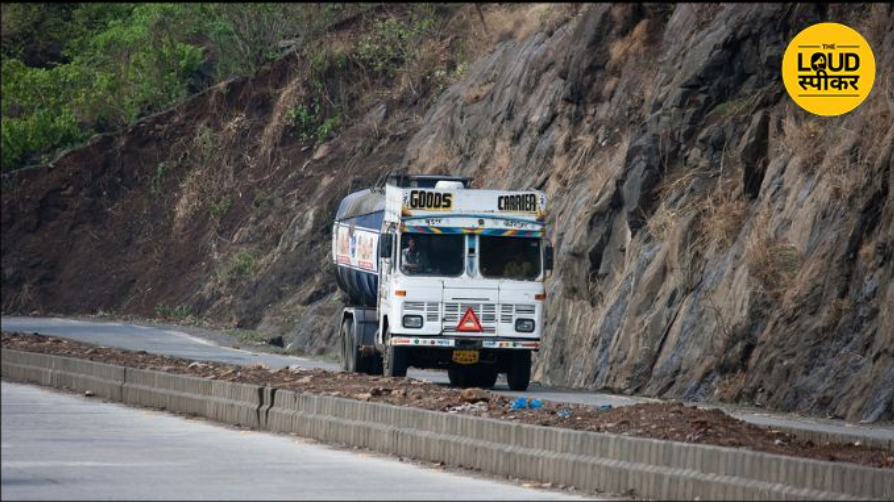
One of the concerns raised by truck and bus drivers is the practical situation after a road accident. In many cases, the atmosphere at the accident site can become tense, and drivers may fear for their personal safety.
Drivers’ associations have expressed that the law should clearly distinguish between a person who leaves the spot to avoid responsibility and a person who leaves due to genuine fear of violence or danger at the site.
This concern highlights the need for clarity in implementation so that innocent drivers are not unfairly affected while ensuring that accident victims receive timely help.
Objective of the Provision
The purpose of the provision appears to be encouraging responsible conduct after a road accident. In many accident cases, timely medical assistance can save lives. Reporting the incident quickly and ensuring help for the injured person are important aspects of road safety and legal responsibility.
At the same time, the law must also consider ground realities, including the safety of drivers and the circumstances in which they may be forced to leave the accident site.
Need for Clear Guidelines
To avoid confusion and misuse, clear guidelines may be helpful. These guidelines can explain:
- What qualifies as “reporting soon after the incident”
- What steps a driver should take if there is a threat to personal safety
- Whether calling emergency services or police immediately can be treated as reporting
- How genuine fear or public violence at the accident site will be considered
- What evidence may help establish responsible conduct by the driver
Such clarity can balance the rights of accident victims with the practical concerns of drivers.
Conclusion
Section 106 of the Bharatiya Nyaya Sanhita aims to promote accountability in road accident cases and encourage timely reporting. However, its implementation should be supported by clear procedures, public awareness, and safeguards for genuine cases.
A balanced approach can ensure that accident victims receive timely help, drivers understand their legal duties, and the law is applied fairly in real-life situations.
Author: Kumar Deepraj
Advocate practicing before the Supreme Court of India and the High Court of Delhi, New Delhi.